-
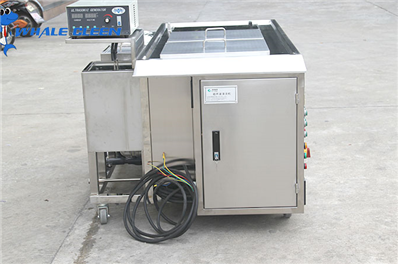 Ultrasonic Cleaning for Chemical Tank Residue Removal: A Technological Breakthrough
Cleaning chemical tanks is a critical aspect of ensuring safety and environmental compliance within the chemical industry. The utilization of ultrasonic cleaning machines has emerged as a cutting-edge solution for efficiently removing residues from the me
-
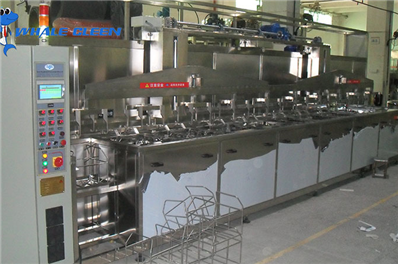 Enhancing Metallurgical Equipment Performance with Ultrasonic Cleaning Technology
Metallurgical equipment plays a crucial role in the production process of the metallurgical industry. Over time, these machines accumulate slag and contaminants on their metal surfaces, adversely affecting their performance and efficiency. The use of ultr
-
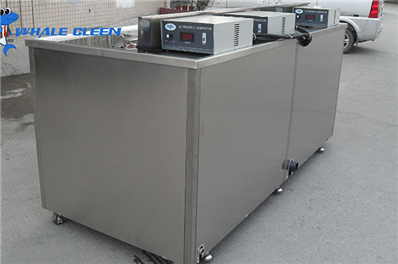 Enhancing Industrial Pressure Relief Valve Performance and Safety: Ultrasonic Cleaning for Effective Maintenance
Cleaning industrial pressure relief valves is a crucial step in maintaining their performance and safety in industrial processes. Over time, the metal surfaces of these valves tend to accumulate dirt, debris, and particles, which can impair their normal f
-
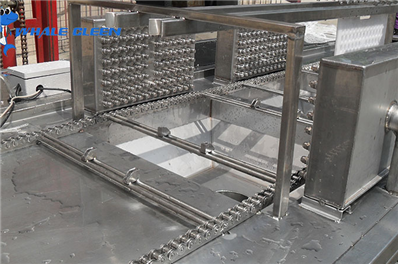 Revitalizing Metal Car Bodies: The Power of Ultrasonic Cleaning
The maintenance and preservation of a vehicle's appearance is a top priority for car enthusiasts and owners alike. Metal car bodies, susceptible to dirt, stains, and corrosion due to environmental factors and regular use, require efficient and effecti
-
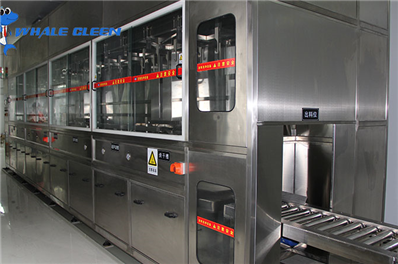 Enhancing Metal Manufacturing Equipment Efficiency with Ultrasonic Cleaning Machines
Ultrasonic cleaning machines are widely employed in the industrial sector for cleaning metal manufacturing equipment. These machines utilize the power of ultrasonic waves to efficiently remove contaminants such as oil, grease, particles, and dirt from the
-
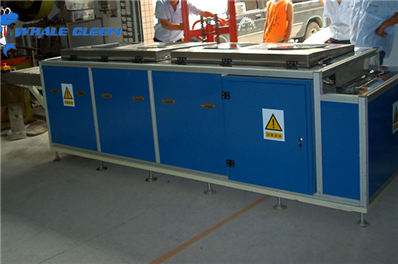 Ultrasonic Cleaning Machine: Ensuring Safe Operation and Electrical Performance of Metal Power Equipment
Cleaning metal power equipment: Ultrasonic cleaning machine removes dust, oil, and dirt from the surface and interior of metal power equipment to ensure safe operation and electrical performance. Cleaning metal power equipment is a critical step in
-
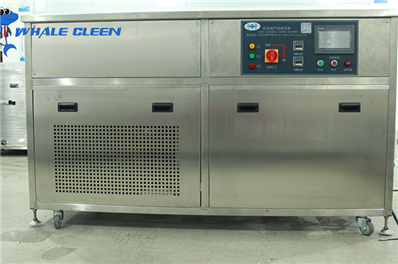 Ultrasonic Cleaning Equipment: The Ultimate Solution for Cleaning Metal Surfaces
In the industrial sector, maintaining the cleanliness of metal surfaces is paramount for ensuring the efficiency and longevity of machinery and components. Traditional cleaning methods often fall short in addressing the intricate requirements of metal sur
-
 Sensor Metal Housing Cleaning: Ultrasonic vs. Spray—Where the Difference Actually Lives
A sensor housing comes off the machining line with cutting oil, metal fines, and oxidized particles packed into thread roots, blind-hole bottoms, and mating seams. It goes through a spray washer, comes out looking clean, and passes a visual check. Weeks l
-
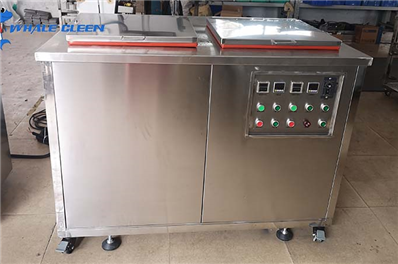 Ultrasonic Cleaning Machine for Batch Sensor Housings: How Whale cleen Prevents Scratches
Batch cleaning sensor housings is one of the most demanding tasks in precision manufacturing. These components often feature machined surfaces, threaded ports, blind holes, and tight tolerances. Contaminants such as cutting oil, metal fines, polishing res
-
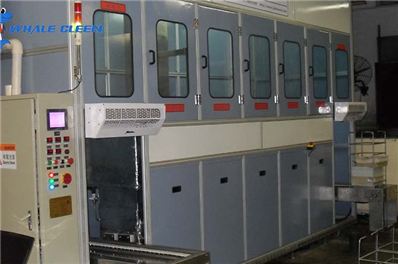 Ultrasonic Cleaning Machine: Solving the Micro-Hole Contamination Challenge in Sensor Housings
In automotive, aerospace, industrial automation, and electronics manufacturing, sensor housings are everywhere. These components often feature micro-holes, blind holes, internal channels, and threaded ports. During machining, stamping, molding, or assembl
-
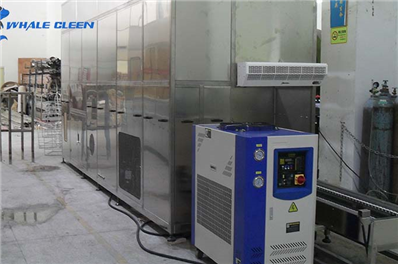 How to Remove Grinding Dust from Blind Holes and Gaps: Industrial Ultrasonic Cleaning Practical Guide
Grinding, deburring, and polishing operations leave fine dust that is easy to see on open surfaces and almost impossible to remove from blind holes and narrow gaps. Compressed air blows some dust out but pushes the rest deeper. Brushes cannot reach the bo
-
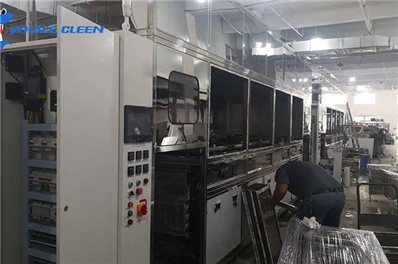 Ultrasonic Cleaning Machine: How to Remove Thick Oxide Scale Without Acid Pickling
Thick oxide scale is one of the most stubborn contaminants in industrial parts cleaning. It forms on steel, castings, forgings, and welded components after heat treatment, hot rolling, or high-temperature processing. In many plants, the default solution i